Showing posts with label photographer. Show all posts

Monday, November 18, 2013

Potter wasp: National Wildlife Federation photo award winner


So, what if I don't photograph as much any more? My old photographs still win awards! This image which is in my book just took the first position in the Backyard habitats category in the National Wildlife Federation photo contest. The NWF is an American conservation organisation and they've been running this contest for (woah!) 43 years! Some of you may remember I've won before, in 2007, in the Habitats category.

Its not yet at WPY quality, which still is the gold standard, but its pretty good. I was told my image was selected from among 32k images; I'm pretty stoked. The quality of the contest entrants appears to be pretty high and getting better and better through the years. Slideshow below!

Baby steps, baby steps :)


Copyright © Natasha Mhatre If you're reading this without attribution to me anywhere other than at my blog Talking Pictures, its probably being plagiarized.

Monday, November 05, 2007

Chris Jordan: Conspicuous consumption

The number of plastic bags used in the US in 5 seconds (60x72 ")
How many cellphone models have you had? How many plastic bottles of Coke/Pepsi/etc did you drink and dispose over the last week? How many times did you stop at the coffee kiosk and do you remember where you put your coffee cup? How many print-outs did you take? Were they one-sided? Did you leave the tap running while you brushed your teeth? How many computers have you owned and what happened to the ones you no longer use? Did you go shopping, did you accept plastic bags?


Actual size detail of previous picture
Chris Jordan is an American photographer who's concern is consumption and the scale of it. It seems like a small thing when you see your own waste, but most of us fail to account for the fact that there are hundreds of thousands of people who lead the same lifestyles as us. We fail to account for the size of the problem when do this. Large numbers numb human beings, we cannot process numbers like millions and billions, they are no understandable scale with respect to the ten fingers on our hand. Often to understand them we need the analogy of physical scale. Here is a commonly repeated physical analogy for large time scales:

"Man has been here 32,000 years. That it took a hundred million years to prepare the world for him is proof that that is what it was done for. I suppose it is. I dunno. If the Eiffel tower were now representing the world's age, the skin of paint on the pinnacle-knob at its summit would represent man's share of that age; & anybody would perceive that that skin was what the tower was built for. I reckon they would. I dunno. - Mark Twain"

Chris Jordan's work does exactly this, you see in space what we consume in time and when you consider how much space we occupy, obliterate in how little time hopefully you pause to think. Here is part of his statement, I find it intriguing that he also perceives and worries about the damage to our spirits from this frenzy of consumption:

"The pervasiveness of our consumerism holds a seductive kind of mob mentality. Collectively we are committing a vast and unsustainable act of taking, but we each are anonymous and no one is in charge or accountable for the consequences. I fear that in this process we are doing irreparable harm to our planet and to our individual spirits.- Chris Jordan"


Fifteen minutes of Energizer battery production. Size scaled as if the batteries were depicted at true size.

We, as a country, probably do not yet consume quite as much as the US. But I reckon that in some pockets of Indian society, our consumption levels are as high. With the kind of economic growth that gets much touted in the MSM, some of us are definitely getting there. It is any rate something that many aspire to and that all media now pushes us to aspire to. We need to think about what we're doing. Every time we buy, every time we discard. Can we do without this? Can I use this some more? Do I really need that new shiny thing? Because one day we might be choking on growth.

Recommended viewing: Running the numbers; Intolerable beauty

Thursday, August 23, 2007

Tim Flach: animal photographer

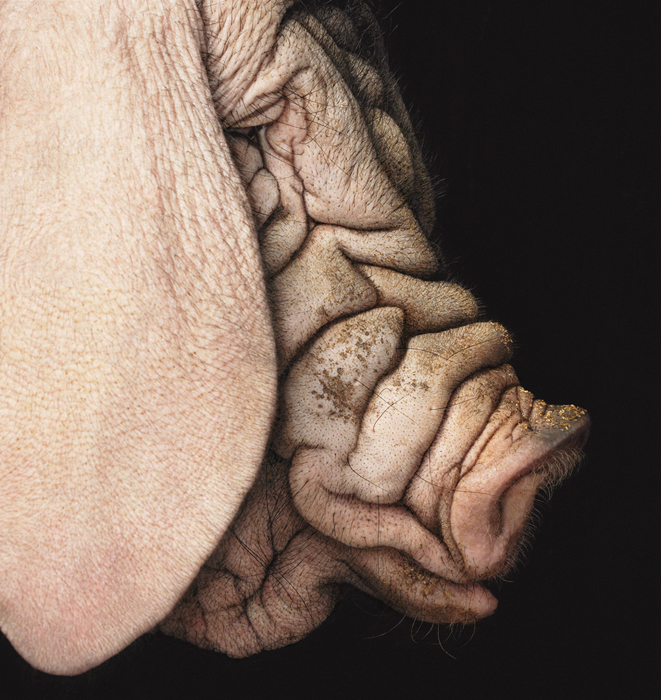
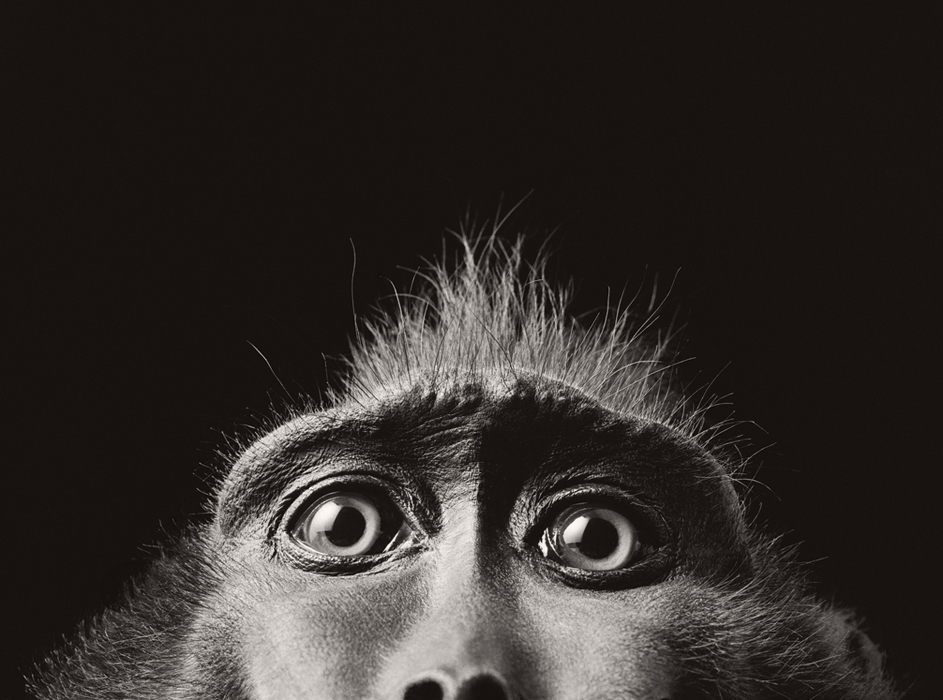
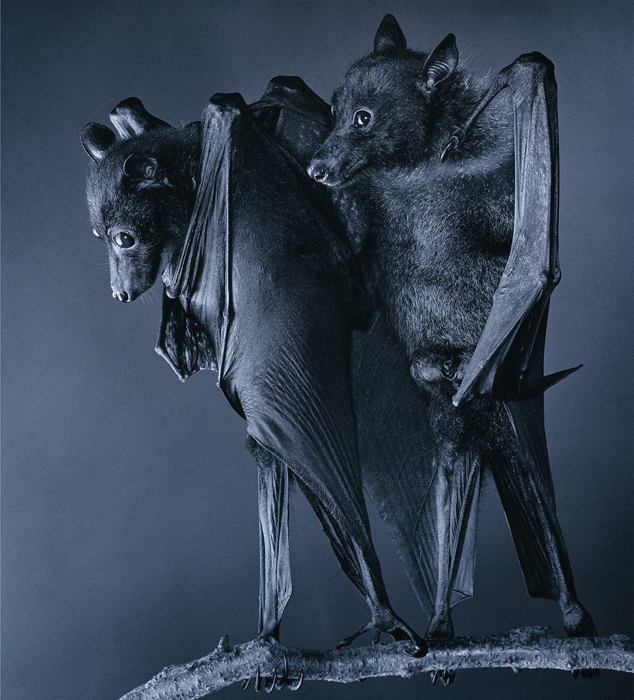
All images in this post are copyright Tim Flach used under the fair use clause for criticism)


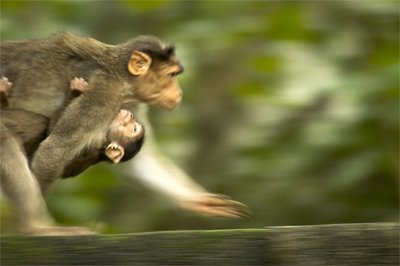
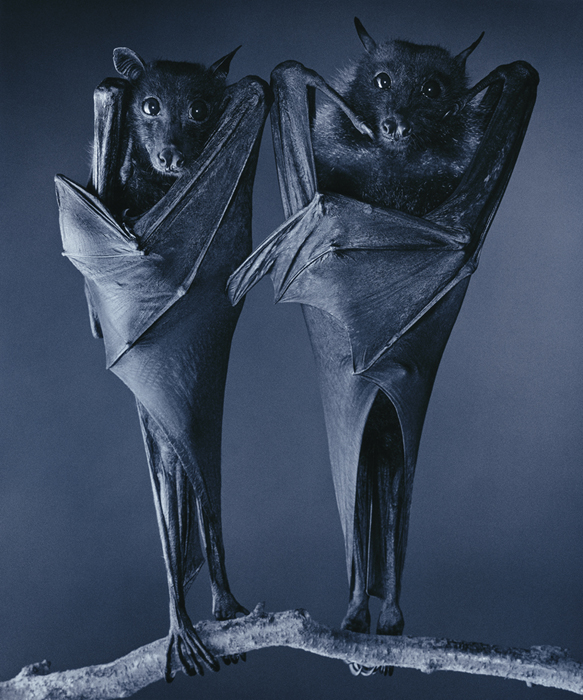
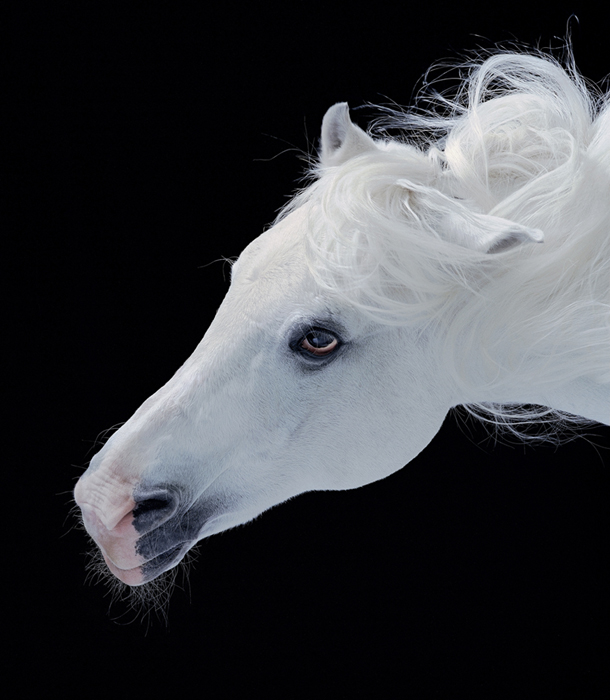
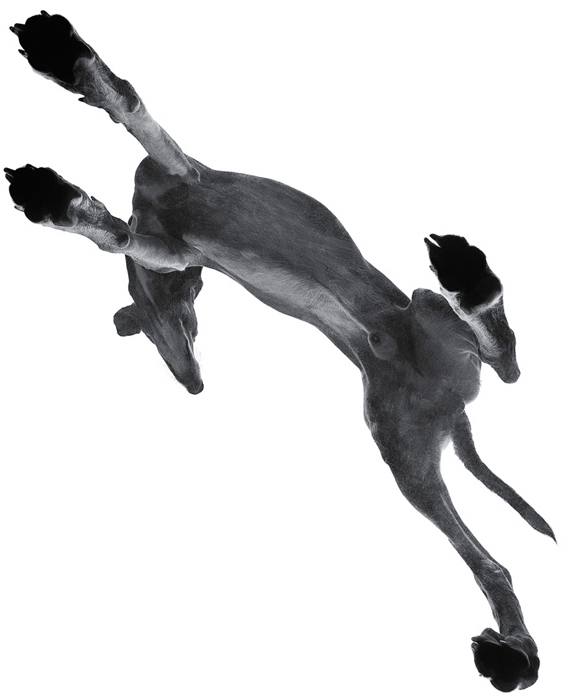
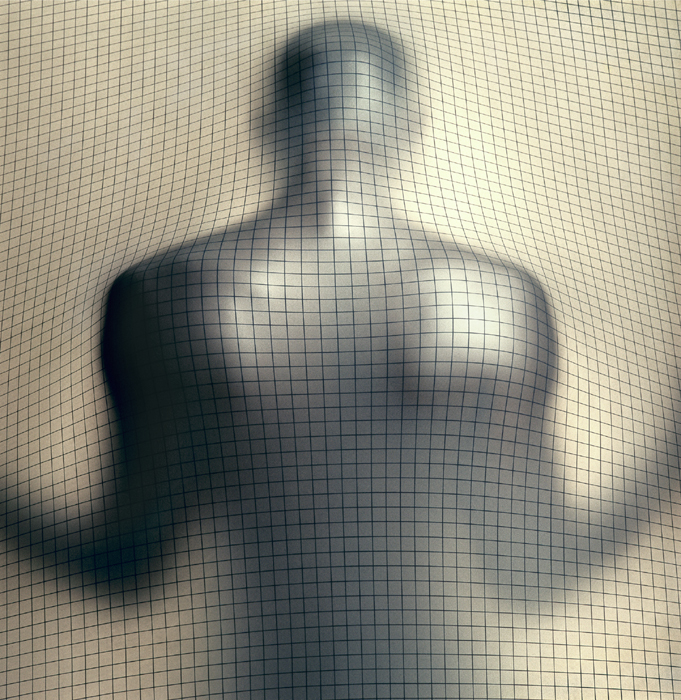
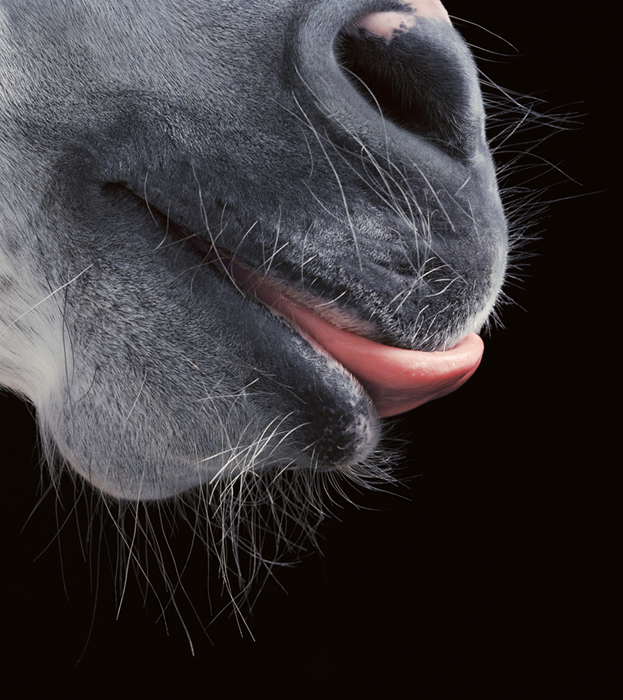
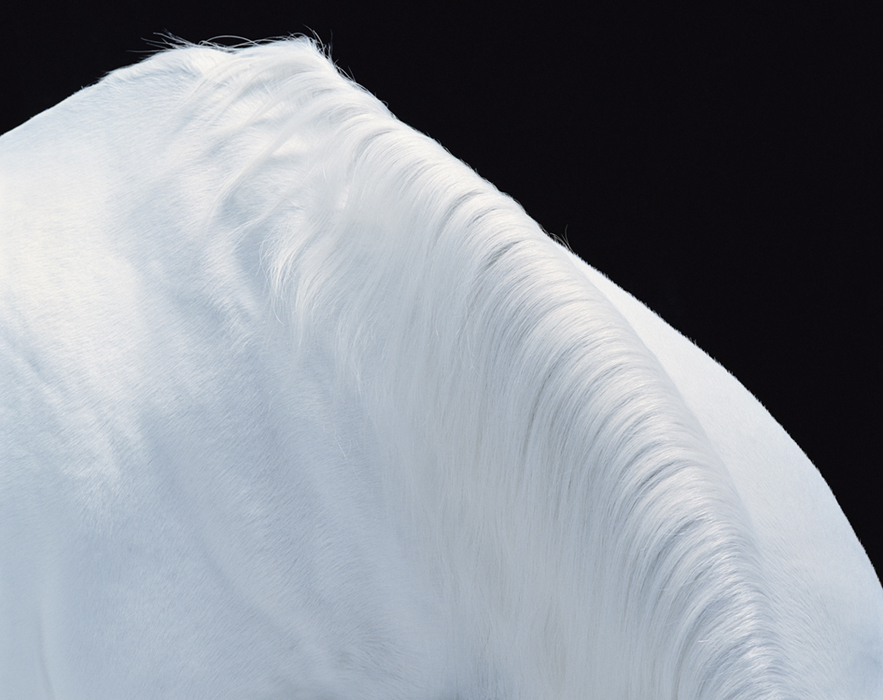
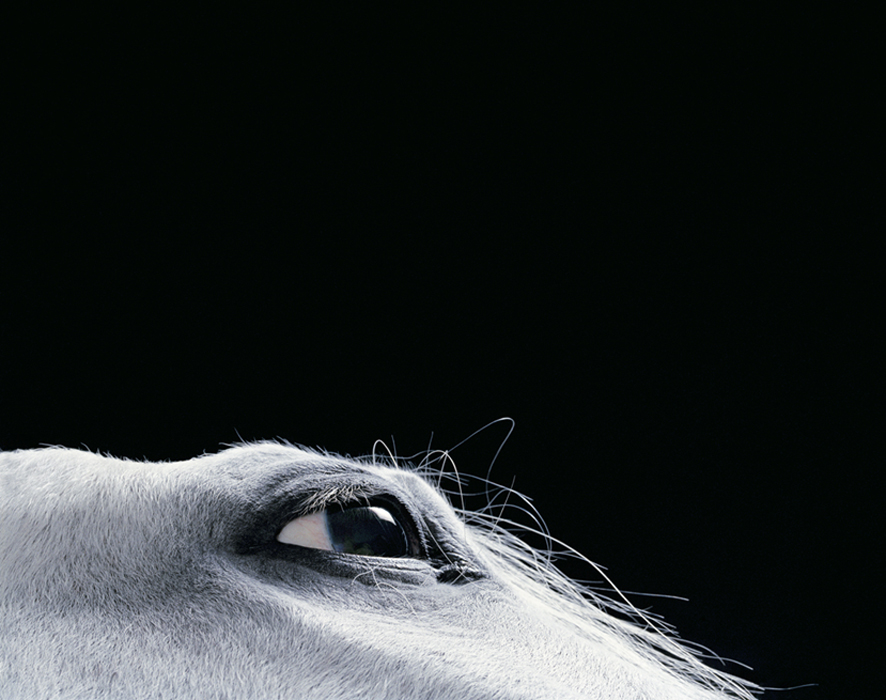
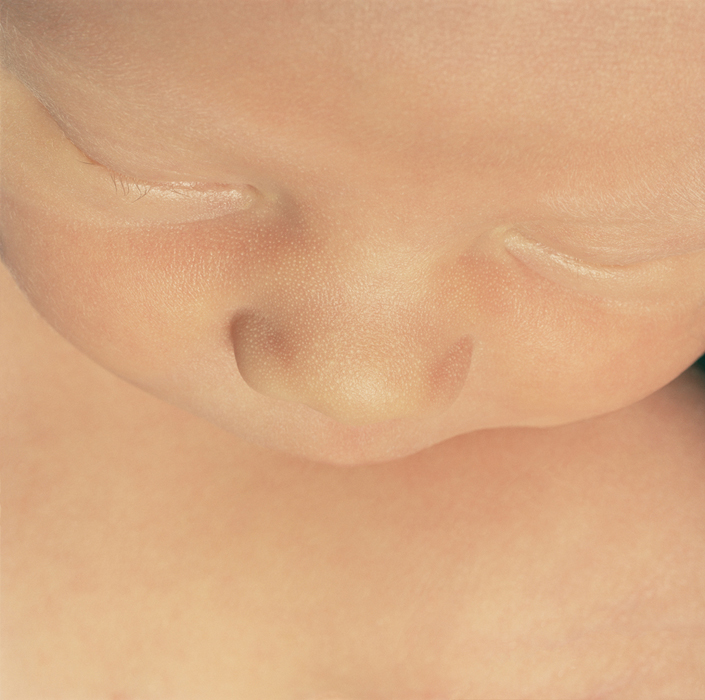
Tim Flach according to a Professional Photographer article is obviously an animal photographer. Many of his images do have animals in them. And they treat animals quite sensitively. He has a few series which he has worked on extensively. Series on animals that are not the first lovable wooly warm-blooded mammals that appear in our minds. Or even the glamorous charismatic mega-fauna, not the predators and nor their fecund prey. His work has been on humble bats, the domesticated horse and dog, pigs and the occasional monkey. (And maybe some mega-fauna as well, sometimes humans.)

He seems to be one of the few nature /animal/wildlife photographers that are willing to talk about their work and the thoughts that precede the images. (Maybe they all do and I haven't looked.) He attempts many things in his ambiguous animal images: to suggest our kinship through the similarities in gesture to alien seeming creatures like bats. He wants to challenge our expectations of reality by placing animals outside their context. He also places a great deal of importance on the visual structure of his images and his photographs are as or more driven by design principles, than they are by their subjects. For this he tends to use exceptionally controlled environments in which he photographs these animals. The other reason for this is perhaps an obsession with detail evident in his shots. Design and detail dominate his visual style.

Which is something I enjoy and something that bothers me. I love carefully constructed images, images with attention to detail, to form, to space, to that delicate balance between what is said and implied, shown and hidden. I think there's even a huge amount of careful thought about the emotional content in his images. All of these are indispensable qualities for a 'great' photograph.

Yet there is something missing, and that je ne sais quoi is in my opinion, a sense of spontaneity. The huge photographic machine of control boxes essentially free animals into a photographer's visual cage. The only spontaneity here is in the reactions of the animals and even those seems postured, contrived. This ends up undermining Flach's desire that we examine the animals in relation to ourselves. We examine his designs, his constructions, with relation to ourselves. The animals are not really in the frame at all. Flach manages to make animals human artifacts. Which I like, sometimes, but leads me to wonder about his credentials as an animal photographer. Is there such a thing as an animal tabletop/studio photographer?

(To be entirely fair, they called him an animal specialist, which could be interpreted differently but since Sara introduced him to me as a animal photographer, I will take as such.)


Another Tim Flach page for flash deprived IIScians.

Other Posts on unusual 'wildlife' photographers: Nick Nichols, Rosamund Purcell

Tuesday, October 31, 2006

Rosamund Purcell

I first came across her work which was used in Nat Geo feature written by Carl Zimmer.

She's been called the doyen of decay. I can see why. She is among other things, a museum photographer, so a lot of the stuff she shoots is dead. When she shot some marine creatures at Woods Hole she actually said that she doesn't see too many alive specimens!

It must be a strange thing to see animals, so inanimate and yet create images that inform their biology. As it were a photographs compress so much. They're a single snapshot, static & they're two dimensional. But I think she does justice to her subjects. She actually manages to add certain degree of dynamism and mystery to her images.

A Wildlife photographer? Maybe, but shes a much more expansive artist than that. She's done many books, exhibitions and collections on things that range from images of extinct animals to dice(!). In another book Owl's head she goes through the keepings of junk dealer in a more modern version of archaelogy to understand us and our recent history through our discardings.

(Just as an aside, here's a sort of related project, a recreation/imagination of what dodo behaviour, ecology might seemed like when they were alive.)

The photograph is copyright Rosamund Purcell, from here.

Tuesday, October 10, 2006

Talking some more

When he still wrote a free and regular column called the Sunday morning photographer, Mike Johnston was one of my favourite reads. One of my utterly favourite column was called "Scenic fatigue". I think I'm going through that sort of fatigue with shooting in general, I get exhausted just looking at my pictures.

Oh, I don't think I'm doing unfocused photography, there is a story to tell (more about the story itself when I feel like telling). Just sometimes I think that theres a huge danger in nature photography that you'll have everything just so and empty it of photography and leave it all biology or worse, prettiness. The interesting subject, rule of thirds, perfect light, colours, sharpness, low grain, selective focus, the little catchlight in the eye, the action/dynamism shot....you know. There are too many conventions/rules in this business. And too many times keeper shots are keepers because the meet an appropriate convention.

How do you break this little problem, cause all of those conventions do have a reason you know? They make things look...good. In a certain way. So I think I'm getting on a mission now, to find images (not necessarily mine), nature photography images that look good while breaking at least one convention... and then see whether I can work through, why the image works....lets see how it goes...

(I'm using this image for criticism, which I believe is ok under the fair use clause of the US copyright act. I've linked the originals and credited the author.)

We'll start with the obvious guy, Mike 'Nick' Nichols. He's a out there 'I dont want to make pretty pictures' nature photographer. This compelling shot was taken as part of his project called 'Brutal kinship' on the nature of the relationships between humans and chimpanzees.

It's not a pretty picture, and some would argue its not even a nature picture. Does it break conventions? Some, you dont see the eyes of the animal, the face is hacked at the chin. (This is probably so its possible to look at the picture without turning away in disgust.) Its a portrait of an animal with no identity, which defies the genre portrait itself.

There's blood in the image and theres no denying the agony in those hands being restrained. The animal frames his own blood as in an act of display; "here, here's my death". There's no attempt however to prettify it, neither to judge the death as needless. The syringes, the tubing both suggest medical intervention in some form. Either an attempt to save the animal or maybe what caused the death in the first place.

The caption tells us its a chimp that died of systemic failure after a vaccine against HIV almost worked on it. It almost saved so many lives but died. Its a matyr's image. Its not an image of an animal, its an image of what happened. Its littered with clues to what might have happened and leaves us to figure it out before the caption reveals it. I think the tension already exists in the image, the justification of the death is ambiguous, and yet this is not an obvious 'animal rights' image. It becomes more so with the caption. But it does not lean so far as to condone the whole extreme animal rights stand of never using animals for research. Its a marvellous walking of the thin line, and in my opinion its why it works.

Friday, October 06, 2006

In a hurry, gotta go

Those of you who've been wondering what I've been upto, sorry. I've to pay attention to a few other things right now, which means I cant really do this. So instead I thought I'd link you to a few other (amateur, whatever that means!) Indian wildlife photographers that I like.

Theres Kalyan Varma whos also a Bangalorean, and he has a few other interesting projects going, which unfortunately dont seem to have taken off that much. The PlanetWildIndia in particular has quite a bit of potential. Imagine being able to use it as a travelogue to find new and interesting places, particularly those that are within reach to shoot in! I suppose there are already lists with that sort of information on them that one could use. It would be nice to get that kind of information/resource list together.

Kalyan's got a couple of friends , who I don't personally know, who're pretty good photographers themselves, I was pretty impressed by Sudhir Shivram. There are others, but what I think distinguishes these guys is their dedication to this stuff despite other day-jobs. There are others, leave a link if you know of any that you think should not be missed.

Friday, July 14, 2006

Water

I learnt to swim recently, pretty late in life, I guess. The first thing I had to do was get comfortable in the water, believe me it's still a struggle sometimes, I can get all tense if things aren't quite so...But the one image that kept me going, that was the motivation to learn to swim, was this image of leaping in and cuting my way face first through this blue thing. Oh, I know it sounds stupid and very 'filmy', but God, that image has a sense of abandon and freedom I am not equal to, I love it.

Water has, as I see it, power to transform, to change beyond recognition. Through it's brute force, partly through its indifference all things are equally brutalised or loved depending on how you see it.

So you can imagine that when I saw the presentation 'The seventh wave" at Magnum I was kind of sucked in and blown away. The photographer Trent Parke it says is their only Aussie photographer, he's also a sports photographer and a much decorated one at that.

His images seem to sometimes say that we're not creatures that belong in water. We remain at the threshold, afraid and fascinated. When we're in this environment, we're aliens. We are afraid of it and yet conquer it, there is triumph in our mastering it and ourselves. Some of our alienation has to do with a loss of innocence (you know water and the womb and so on). The water separates the child and mom. It does not distort the innocent but brutalises her. Hence, eventually us and water isn't about mastery but about return; a return to safety, to silence, to acceptance.

Water isolates us, deprives us of many of our senses, sound, smell, vision. Yet it encloses us in a way that is sensible. Unlike the way that wind makes us aware of air, we are always aware of water, whether mobile or not. This can induce both comfort and panic, its eventually not about the indifferent water, it is about us. It is about temperament.

I enjoy solitude; a long swim is one of my favourite ways of isolating myself. Swimming the middle lane in an empty pool is the closest I've ever come to flying.

Friday, July 07, 2006

Old pictures, new pictures: good pictures

Magnum has always had the big guns in its stable, the names are just frightening big. However given the recent changes in journalistic photography, they've begun to do a lot more than just sell and manage the work of these artists. One of these very interesting endevours is their today's pictures at the Slate website. The most recent one on the decisive moment made me want to blog this. It has Cartier-Bresson's definition of the decisive moment. Different from what I believed it was...

Anyway, the other big thing off course are their Multimedia presentations, see them ALL if you can. They're an education in themselves, in photography, the art and the talk. For 'popular' media they are amazingly 'critical', in the sense of art criticism. They are reflexive and view photography and photographers as much as the products, the photographs or the stories.

One of the things I love to do is look at pictures, mine and those of other people. I'm not a careful a reader as I'd like to be, patience doesnt come easily to me. And images have a different language, that requires a relearning. But I love practicing my eyes, it gets there slowly, a bit at a time. These resources ensure I've a lot to look at.

Sometimes off course one worries that these things arent quite contemporary enough. (Although Magnum does have stuff on recent events, very recent ones, the photographers really aren't, although I'm not really sure who the contemporary ones are.) Also off course, the Magnum kind of person rarely strays outside the journalistic/social issue core. I suppose its a good idea to be looking at other movements, the fashion/commercial/art people do tend to push the envelope somewhat more. (I don't even know how to really categorise them, they are different.)

Do take a look, its kinda cool, all those images. They make me starry eyed.