Showing posts with label nature. Show all posts

Monday, December 28, 2015

Gender bender


Click pictures to embiggen

A lot of natural history comes from patience, from watching for events that only happen rarely, and then are over, in the blink of an eye. There are, of course, some very spectacular natural events that aren't exactly sneaking up on you. More like, they walk up to you and grab your attention by the collar. Collective behaviour, has definitely been one of these: a large number of organisms doing things all at once, and somehow, together. Crowds, swarms, flocks, schools, all sorts of collectives are being studied. Advances in theory, measurement and notions of emergent behaviour have all led up to this.


The emergence of red sided garter snakes (Thamnophis sirtalis parietalis)  in Narcisse, in Manitoba is most certainly a collective event. And the sheer number and coordination is impressive. How do thousands of these animals time their collective exit so exactly? How do they know that now is the time to crawl to the surface for their annual spring orgy? A few thousand snakes out at the same time is definitely the thing that brings so many people out to Narcisse, in the middle of the otherwise featureless flat Manitoba plains. But it isn't necessarily the most interesting thing going on here.


Well, what is going on here?

Before there were the flat lands, there was a first a huge ice sheet and then a huge lake in Manitoba, lake Agassiz. Agassiz was formed from the melt waters of that glacial ice sheet from the last ice-age. The ice-sheet was so large and heavy that Manitoba may still be undergoing isostatic rebound (i.e. the land-mass is still lifting back up after a weight was removed from it!). It is the reason the land is so flat and featureless, the ice sheet scraped everything down to nothing.

So where did all the water go?

Some of it remains in the remnant lakes, lake Manitoba and lake Winnipeg, that are nearly large enough to rival the great lakes. Some of it went underground and carved very deep caves into the bedrock. Some of these caves are so far below under the ground, that they are below the frost line. When winter comes to Manitoba and surface temperatures drop below -30 degrees Celsius, in these deep caves, its still above freezing. So at some point in the geological and evolutionary history of Manitoba, red-sided garter snakes started using these caves to hibernate. In the fall they go underground and they sleep off the winter there. Come spring, when the temperature is a bit more conducive to a happy life for  a cold-blooded animal, they all wake up nearly at once and out they come!


And when you see the numbers, its seems like it is all at once, a few thousand at once. This is already quite the feat: for a few thousand snakes to time their metabolism so they can all emerge within a day or so of each other. But it's not even the best of it, it gets even more interesting. It isn't all at once. Males tend to come out first, when it still isn't quite warm enough outside. And once they are out, they hang around, soaking up what little watery sun they can get; here they wait. They're waiting for the females.


When the females do wake up and make their way out of the cave, a whole bunch of males are waiting for them right at the entrance. The males will then proceed to chase every single female as she comes out of the cave. Several males chase every single female that comes within their ambit. They try their best to align their bodies up against the females, to wrap around her and to mate with her, all the while signalling to her with pheromones and by rub her with their chins. If enough of them try to do this at the same time, it leads to balls of snakes wound tightly around each other, often known as mating balls.

A mating ball
The balls form and dissolve constantly and not always because the deed is done. Mating balls do not always have a female core with a male outer layer.

Sometimes a mating ball is all male.

Some males will pretend to be female in order to attract courtship from other males. The snakes seem to recognize each others sex only through pheromones which they detect on each others skin. Snakes don't have external genitals and male hemipenises are held inside the body and everted from the cloaca only during mating. So all the males need is a chemical disguise. So gender-bending males produce female pheromones and this is enough to fool the other males into courting it and making mating balls around it.

Why on earth though? Well, for the one thing that most cold-blooded animals are short of: warmth. The core of a mating ball is warm and is constantly being warmed up by the bodies that pile up around it. Typically these 'transvestite 'males come out later than the other males, they might be in worse physical condition, and so cold and unable to court other females by themselves. By attracting a mating ball around themselves, they can raise their body temperature a few degrees. For a cold-blooded animal, that's a pretty big deal. When this is done, the gender bending males seem to turn the female pheromone off magically. With the other males no longer pursuing them, they get down to finding some mates of their own. In fact, the current theory is that the female pheromone has just the right degree of volatility: when the male's body temperature rises to where it needs it to be, the pheromone just evaporates off on it's own!


There can be a cost to this trickery, a cost some females pay and some males probably do as well. The mating ball is a pretty frantic affair. These congregations last only a few days, so the urge to get it on is very very strong. And sometimes the mating balls end up suffocating the female they are formed around. With the males there is the added fear of injury from forced copulations. So this strategy isn't without risk, but what a cool adaptation!?

In almost all systems, there's a lot of amazing detail beyond the obviously impressive spectacle and I hope we can keep looking beyond the obvious and finding it.

Have a great Christmas break, guys!

PS: A lot of the research done here was done in the labs of Richard Shine and Robert T Mason in case you want to read some of the primary literature.

Wednesday, January 23, 2008

Flame of the forest

Repost
I'm terribly sorry I haven't really been posting much, there's been a lot to do. With some luck we should be back on schedule shortly.
These trees are blooming all over right now, so I thought it was a good time to resurrect the post.

Flame of the forest

This tree deserves it's name in more ways than one. The flowers look like flames individually. A tree in flower does really look like it's on fire. And every bird within a mile's radius is in love with it. And off course squirrels and insects.

Two days of waiting paid off! Ta dah here they go. The last one, a Spangled drongo, is a western ghats species. If you look at its distribution in the GI and I its painted along the western ghats. Well, it's here and it picked this tree to feast upon.

Flame of the forest
You know sometimes I feel like one of those sad homeless people you see on the streets, clutching at their treasures. Things no one else would find even remotely interesting. I'll be raving about some bird no ones even ever heard of before. Well, fortunately there are a few people who are a bit like that in CES and I'm not considered stark raving, but only moderately mad. Well, the slightly deranged vocabulary that apparently accompanies this enterprise does make up!

Thursday, August 23, 2007

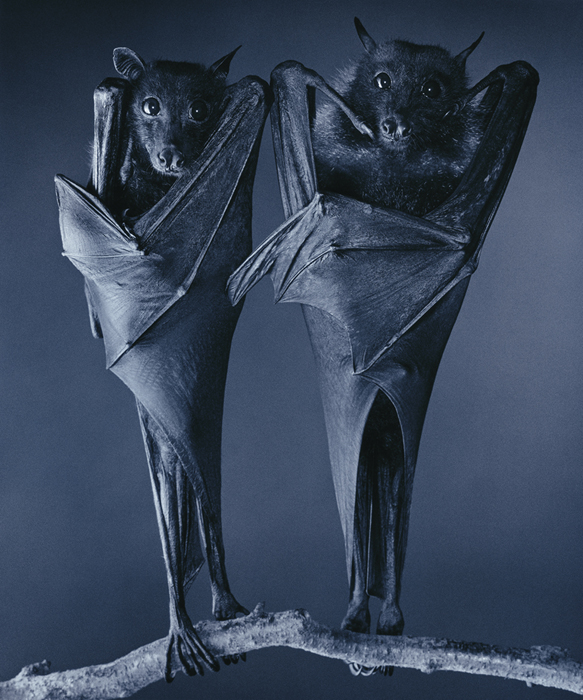
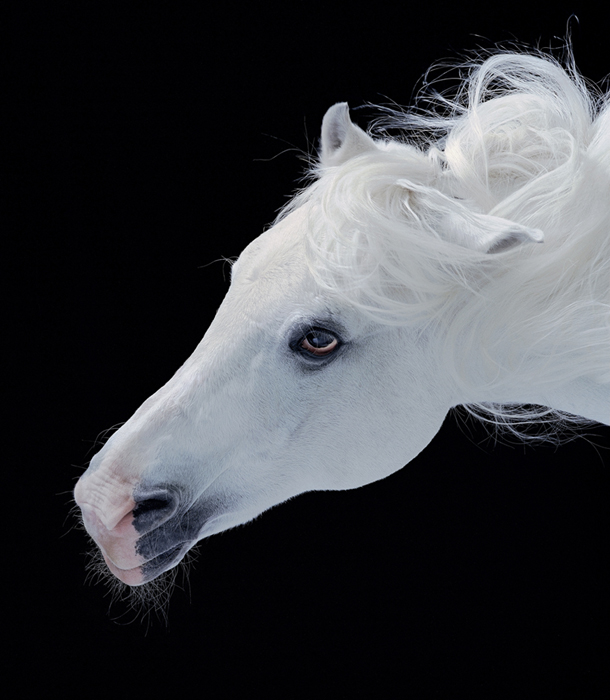
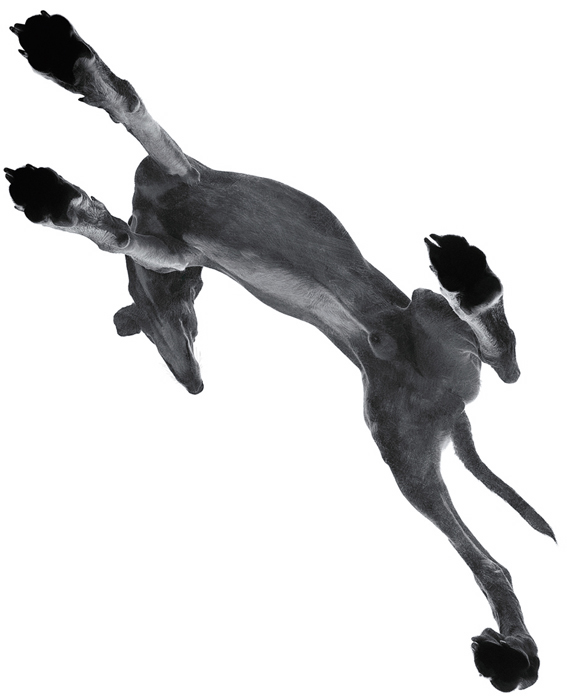
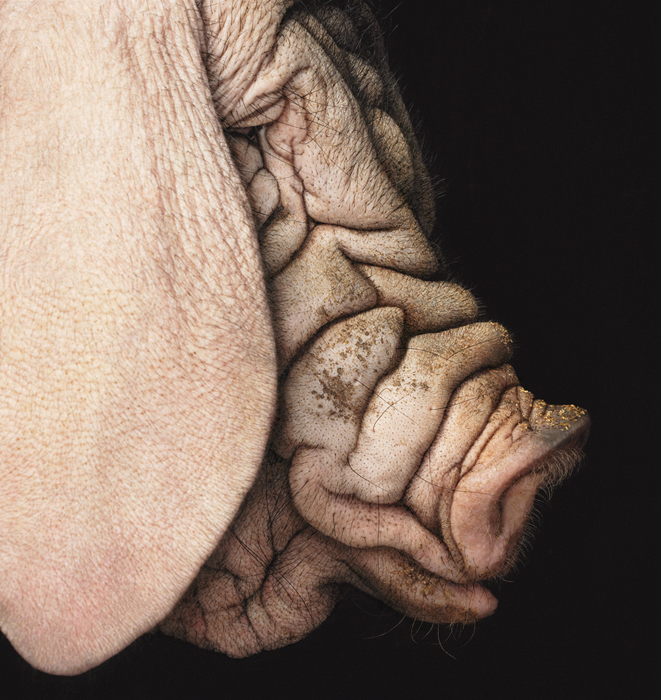
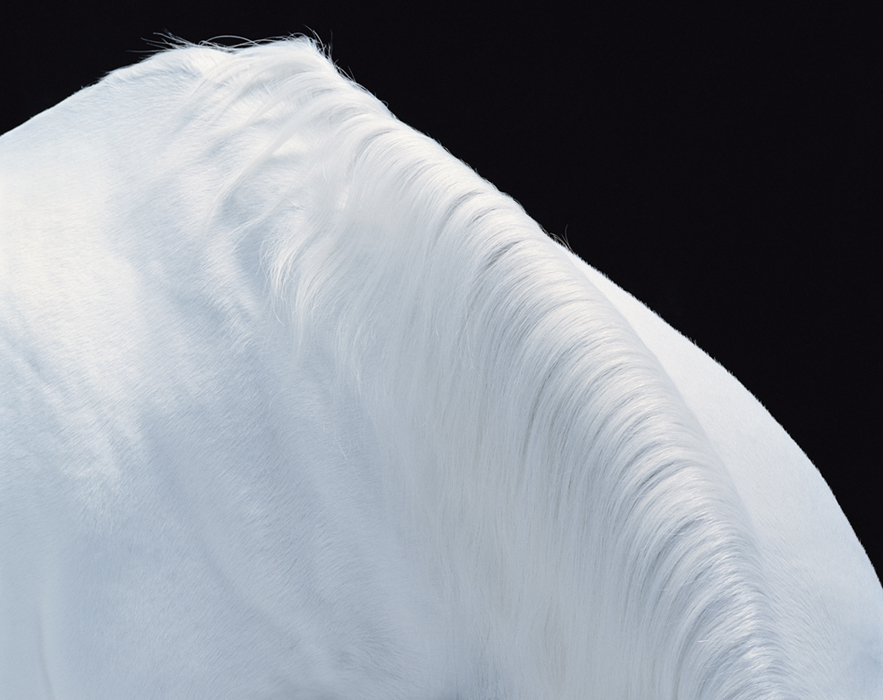
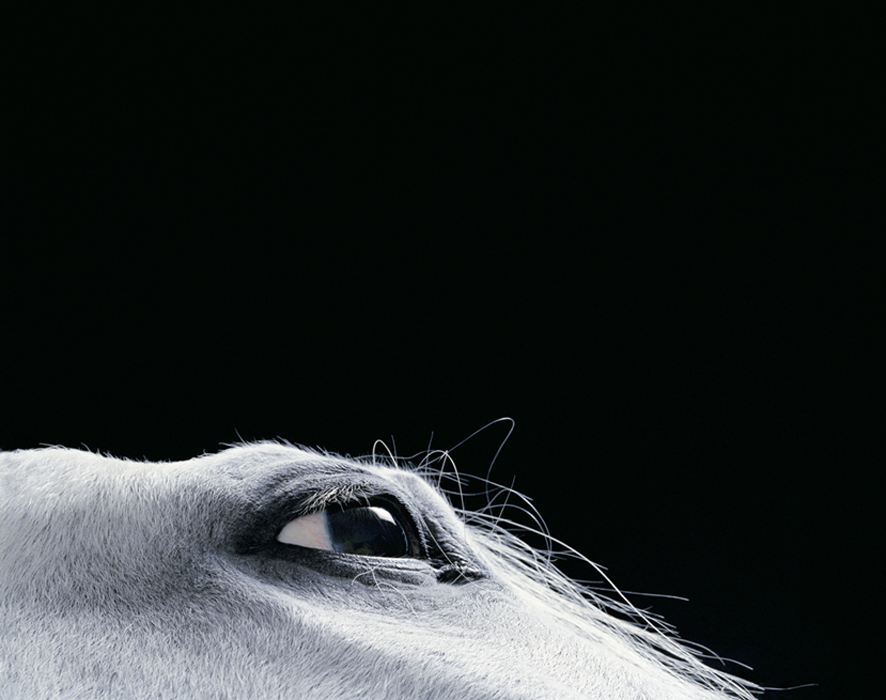
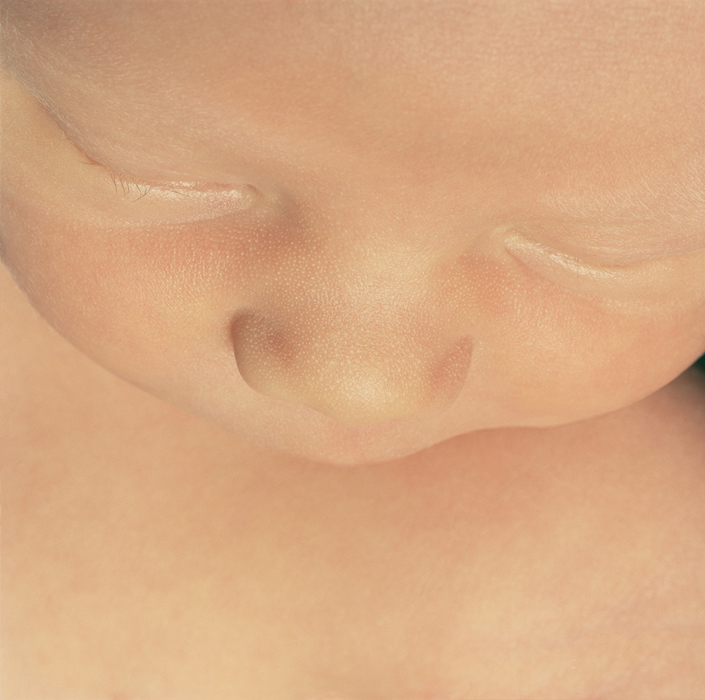
Tim Flach: animal photographer

All images in this post are copyright Tim Flach used under the fair use clause for criticism)


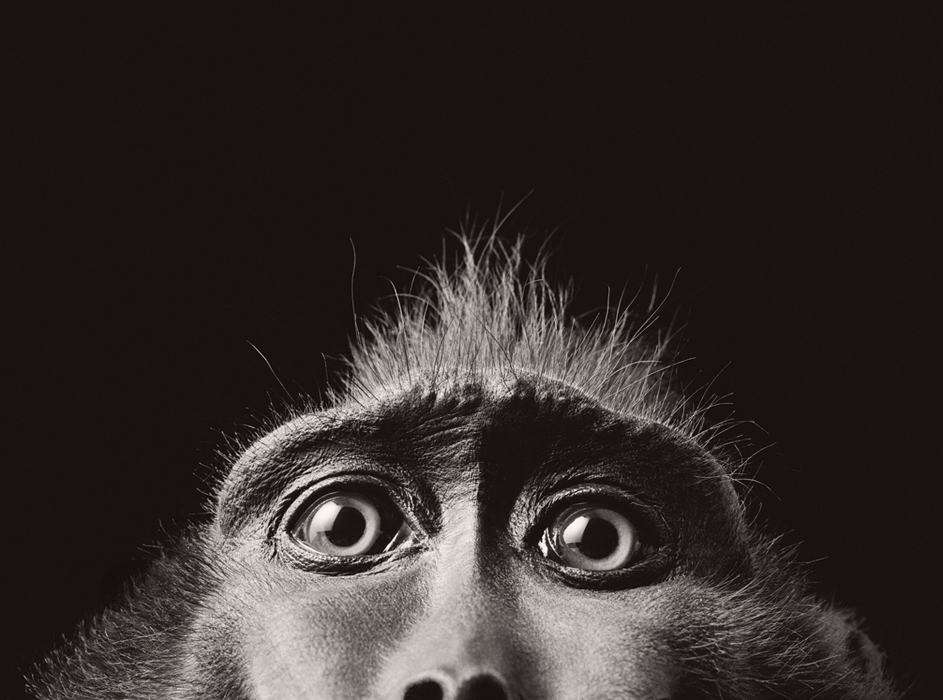
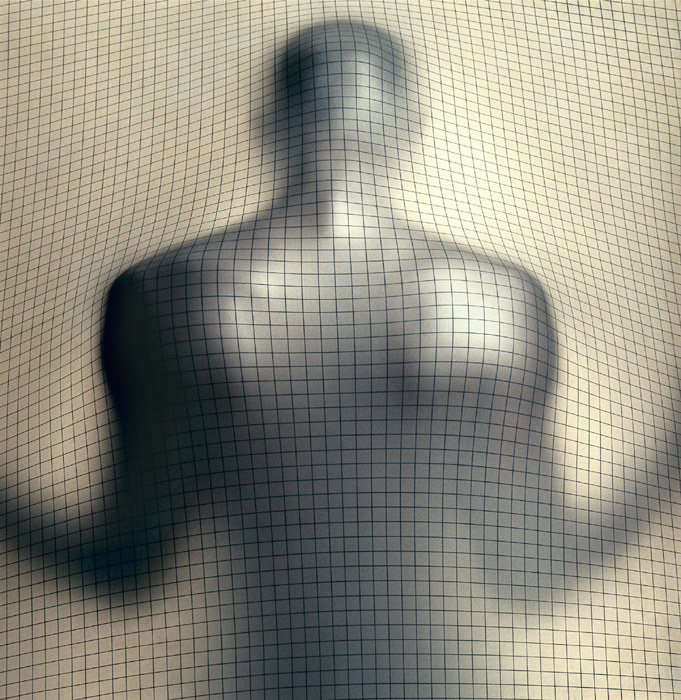
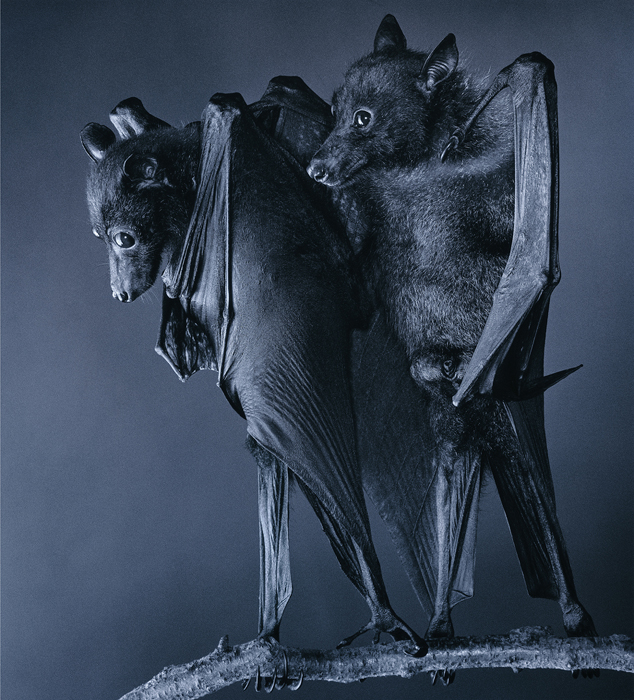
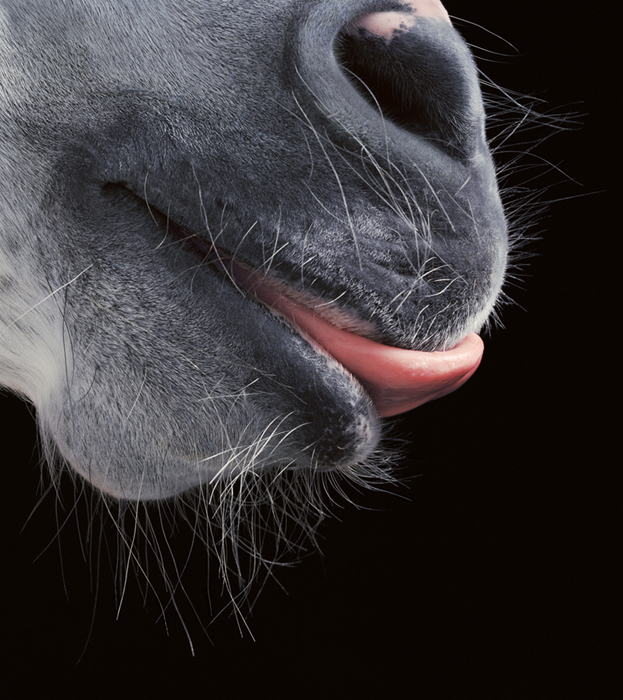
Tim Flach according to a Professional Photographer article is obviously an animal photographer. Many of his images do have animals in them. And they treat animals quite sensitively. He has a few series which he has worked on extensively. Series on animals that are not the first lovable wooly warm-blooded mammals that appear in our minds. Or even the glamorous charismatic mega-fauna, not the predators and nor their fecund prey. His work has been on humble bats, the domesticated horse and dog, pigs and the occasional monkey. (And maybe some mega-fauna as well, sometimes humans.)

He seems to be one of the few nature /animal/wildlife photographers that are willing to talk about their work and the thoughts that precede the images. (Maybe they all do and I haven't looked.) He attempts many things in his ambiguous animal images: to suggest our kinship through the similarities in gesture to alien seeming creatures like bats. He wants to challenge our expectations of reality by placing animals outside their context. He also places a great deal of importance on the visual structure of his images and his photographs are as or more driven by design principles, than they are by their subjects. For this he tends to use exceptionally controlled environments in which he photographs these animals. The other reason for this is perhaps an obsession with detail evident in his shots. Design and detail dominate his visual style.

Which is something I enjoy and something that bothers me. I love carefully constructed images, images with attention to detail, to form, to space, to that delicate balance between what is said and implied, shown and hidden. I think there's even a huge amount of careful thought about the emotional content in his images. All of these are indispensable qualities for a 'great' photograph.

Yet there is something missing, and that je ne sais quoi is in my opinion, a sense of spontaneity. The huge photographic machine of control boxes essentially free animals into a photographer's visual cage. The only spontaneity here is in the reactions of the animals and even those seems postured, contrived. This ends up undermining Flach's desire that we examine the animals in relation to ourselves. We examine his designs, his constructions, with relation to ourselves. The animals are not really in the frame at all. Flach manages to make animals human artifacts. Which I like, sometimes, but leads me to wonder about his credentials as an animal photographer. Is there such a thing as an animal tabletop/studio photographer?

(To be entirely fair, they called him an animal specialist, which could be interpreted differently but since Sara introduced him to me as a animal photographer, I will take as such.)


Another Tim Flach page for flash deprived IIScians.

Other Posts on unusual 'wildlife' photographers: Nick Nichols, Rosamund Purcell

Wednesday, June 06, 2007

Niall Benvie on the state of wildlife photography.

"So, it has come to this: more and more people taking more and more similar pictures of the same, celebrity species and locations ... The real problem with wildlife photography is not that there is too much of it but that photographers – amateur and professional – are failing to reflect natural diversity. Far from inhibiting productivity, wildlife photography needs to be expanded greatly, telling the story of species and locations unknown to readers and viewers."

From A crisis in Nature photography: Niall Benvie


Monday, May 21, 2007

Wildlife photo secrets(4): the canopy

Small green barbet
Everyone who popped in and said hi on the previous post, thanks. And here's the next 'how-to' promised.

It's very seductive to think of grandiose names for the unknown. The canopy has been called, in scientific literature, the final frontier. Like the deep oceans and space, who also lay claim on that moniker, it's relatively unexplored and the first few forays into it have yielded a lot that is new. The oldest method of trying to get at animals in the canopy was fogging, immensely destructive and unjustifiable (not to mention useless) if you wanted to photograph living animals.

Pariah or Black kite

Then came the more (ahem!) sophisticated methods, the canopy cranes, bridges, rafts, hides and ropes. But do what we might, the human monkey has lost his ancestral ease among branches. All these tools take us up a bit and down again with little lateral leeway. And most of all they are available to very few people, usually researchers and then for a very little time.

So here's the good part, I've found that for urban/semi-urban wildlife photographers there are canopy cranes aplenty. They are called buildings. Many many rooftops, balconies, windows are actually very close to trees, the canopy within touching distance. These can be absolutely great to watch and photograph what usually goes on above eye level.

Blue rock pigeon

Look out for places where trees are close to a opening and then look out in them for animal activity. Whether it's nesting or nest building birds or birds and other animals that come in to feed when the tree fruits or flowers, or even birds that come in to roost or perch. Keep an eye out for anything you can convert into a photographic opportunity. The great thing about this little window of access is the ability to peer from a ready-made hide (the building) into a usually secret world. And off course, eye-level shots that are so much more attractive than those belly shots from below.

Rose ringed parakeet
But that's so much for the larger birds and mammals, what about the insects? The truth is most of those canopy access techniques I spoke about were actually devised in order to reach the smaller creatures, the arthropods. These cannot be shot merely by looking out over a closeby branch. The long lenses don't get you quite that kind of magnification and you can't really get much closer to the animals.


Long horned beetle
There is however a sort of indirect way that you can get at these animals. The photograph of the long horned beetle was got by this technique. In all of my time of hunting in the undergrowth I've never come across one of these wood-boring beetles. Yet they are all over my bathroom.


Praying mantis

The basic story is this, the lights in our bogs are left on overnight and they attract plenty of insects. (You can increase the efficacy of capture by using insect attracting UV lights). I live a floor off the ground and the canopy is close to our windows, sometimes peering in. The insects that are attracted to the lights here are often from the upper canopy and not the usual ground and undergrowth dwellers. All I do is go look everyday for something interesting. You'd be amazed at what you can get. The moths in the Nat Geo story were entirely from an urban backyard. (That story began in the bogs as well.)

Praying mantis
I keep a few vials and containers handy with me, catch what is interesting and take it to a habitat similar to what it must have come from and then shoot it. The insect goes free, I get some shots. It's pretty much win-win. Off course you're not going to get any big behavior shots this way. But you do get some spectacular animals and portraits are usually tractable with a little knowledge of insect behavior and some gentle coaxing. The insects in this post are all bog-insects!

So go try out your very own canopy access system!

Others in this series: Wildlife secrets parts 1, 2 and 3.

Tuesday, May 08, 2007

Wildlife photo secrets(3): Getting close

Red wattled lapwing through grass
"If your pictures aren't good enough, you're not close enough." -Robert Capa. (Link to another site about Capa)Robert Capa, co-founder of Magnum, whose autobiography Slightly out of focus I recently read spent the best part of WWII getting close to the action. Its a hilarious read; he had to go through a lot to just stay in the war theatre with no passport and no press agency backing. He managed this feat of staying on in the war theater and close to the action with some amount of trepidation, at much risk to himself. He gained access mostly with a smile and with the lubrication on which he claims all armies move, alcohol (a strategy I haven't tried yet!)
Wildlife is both similar and different. Unlike people in wars, intent on their own purposes, wildlife notices your presence and reacts to it, usually by bolting. It's similar in that in some ways and sometimes it can be dangerous; for example with large carnivores, venomous snakes, etc. To get close, knowledge about your subject, its habits and capabilities, is paramount. I'll try and tell you what I have learnt. I'm still not as good as I would like and your own suggestions are very welcome.
Saw-scaled viper

Motion
Most wildlife: birds, insects, snakes, mammals, will react very quickly to motion. What this means is if you make sudden quick jerky
movements, you will be noticed and whatever you are shooting will run away. So learn to move slowly, smoothly. I have found this can require quite a bit of strength and agility, so develop those. And oodles of patience, the hardest muscle to build.

Even if you have been discovered, staying motionless afterwards makes animals forget about you and continue with their life after sometime.
Clothing
Camouflage clothing is artform, no really, look at what the military has been upto with it. It's useful, certainly you can't be wearing bright white or red clothes and expect to go unnoticed. Dress appropriately to the environment you expect to be in. Quiet shoes, comfortable shoes, discreet colours. If you can camo your equipment as well.
Silence
This is actually one of the reasons I dislike shooting with other people. Silence obviously keeps attention away from you, but it does a second thing. If you are quiet you'll hear other things, you'll find subjects to photograph or you'll notice that elephant sneaking up behind you. So leave the Ipod behind ok? Shootings safer and more productive that way.
Don't smell
No really. Particularly with mammals, strong odours, deodorant/perfume is a guaranteed way of not getting any shots. Leave your vanity behind.


Mongoose cub eating temple offerings
Sit still
The classic wildlife mode of shooting off course is to stay in one place and let animals come to you, hide photography. Get a hide, a camo net and stay. Hedge your chances of getting close to something by setting up a hide near a resource an animal needs (water, food, salt lick, mating grounds) or a place an animal inhabits (nest, den, etc). As I said knowledge is everything. Also oodles of patience, and all of the above. Some people also use bait, I haven't yet, although I have sort of used food others have set out.
StalkingThis is a different kind of photography altogether. All but sit still applies, well actually sit still, move, sit still, move, you get the idea? Use the terrain, hide behind things, plants, stones, etc. Stay out of direct line of eyesight of your quarry. Use zig-zag or round about approaches to it. When there isn't anything to hide behind squat on the ground and move bent down.

Keep your camera close to shoulder high while approaching. Its hard to do this undetected when you're close. (Any other ideas here?)

Remember your limits, never get too close, you'll loose your shot or worse get bitten, gored or killed.
When in doubt err on the side of caution.Familiarize
Believe it or not animals do get used to you. Wear the same or very similar clothes. Be unobtrusive and completely non-threatening. Keep returning to the place that your quarry is, it will maybe eventually accept you as part of the landscape. True of birds and mammals, insects and reptile, probably not.

Finally,
f5.6 and don't be there!
Camera traps are cool, and potentially expensive. So using remotes is also an option, stay close enough so you can trigger and guard your gear.

PS: the first 2 images link to my new Flickr gallery, following Strobist ideas on the service. Will see how it pans out.

Thursday, May 03, 2007

Cicadas


Have you been wondering what the noise was? It's these...They make sound with their abdomen's to attract mates.

Monday, April 30, 2007

Wildlife photo secrets (2): learn about light

The previous post generated quite a response so I'll keep going; for a while anyway.

Actually any kind of photographer, not just a wildlife photographer needs to learn about light. It's right there in the name, learn to write (graphy) with light (photo).

It's the seduction of animals, birds, butterflies, flowers (pick your poison), that brings many people into taking pictures. Most people are just happy to have records of what they saw. A few will attempt to see rarer and rarer things in order to photograph them. A few will try and catch a rare behavior. This is eventually the point of the the whole exercise to many.

But, this will not always make a good photograph and certainly not a good photographer. What makes the latter is a certain ineffable something. However, the first has quite definable elements. One of them is light!

Saying that light makes a photograph is trivial, except what I mean is it makes or breaks a good one. Good light can elevate the mundane to beauty and bad can do the reverse.

So what's to light? Well, there's different kinds of lights. Heres all the features in which light can vary and that you get to play with in a photograph.

(a) brightness (the obvious one). You can have a high key image in which you pour a lot of light onto both the background and/or the foreground. Or you can go with the darker more mysterious look that allows just a subtle limning of the solid form of the object being photographed. Picks up a little detail no more, unlike a silhouette (which you can also do.)


(b) spectrum: there are warm lights like the light you get just around sunrise and sunset are often make very winning photographs. Or cool light, which you usually get after the sun's gone down, on overcast days or in the shade, can make mysterious looking images.
The kind of colour you get will depend on the WB if you're using digital. So if you want to keep these casts (loosing which can be quite silly) the easiest thing I've found is to leave things on daylight WB.


(c) Hard light, where shadows have sharp defined edges. Most photographers seem not to like this light, it can nonetheless be turned to you advantage. At least partially because in this light, colours are often quite saturated.
Diffuse light, with softer or no shadows at all, the love of all photographers, particularly macro people. The light that seems to come from everywhere at once.


(d) The area that the light hits, how tight the beam/spot of light is and what kind of fall-off it has on the edges. Like the tighter, harder edged spot of light on the owl versus the softer edged halo around the saw-scaled vipers head. The idea here is to draw quick attention to the specific object of interest while keeping it away from that not of interest.


(e) The direction the light comes from:top-lit, back-lit, vs front-lit vs side-lit. The backlit and hence rim-lit tree cricket versus the front left lit ant.
Again, its a way of emphasizing one element as opposed to the some other element in the picture. (Note that the ant image also has pretty controlled fall off, avoiding lighting any other leaves or elements of the background that might prove disturbing.)


(f) and finally something I have no clear examples for, number of light sources and the intensities and 'cast' or 'colour temperature' of each source.

Now what you've to figure out, when working with available light, is what kind of light you're working with and how to use it to your advantage. If you're making you're own light, decide what is the kind of light that would be best for the situation. (I know it's hard, but this is just the start!). If you want to know more about light, and even more about lighting something up using your own light sources, try Strobist. I've learnt and continue learning a helluva lot there.

And if you're still with me at the end, wish you good light!

Friday, April 27, 2007

Widlife photo secrets: time and access


In my callow photographic youth, in 2004, I met another photographer. He cast a pearl before me, he told me half the battle in getting good wildlife photographs is access. I didn't think much of it then, but three years behind me, I know precisely what he meant.

There is no simpler non-secret to getting better shots than to keep trying. To keep your eyes and ears open all the time and keep iterating until you get what you want. You've got to know whats worth getting and whats worth keeping, and then you're set, all you've got to do is push push push.

The best stories are worked over many many (oh don't be shocked now) years! Yes, years! There are good one's that are shorter, but the truly blue chip take years. Lanting's Jungles, Salagado's Workers, Nick Nichol's work in Bandhavgarh, etc.

The luxury of that kind of time is very hard for most people to come by. Many wildlife photographers, filmakers will given a chance lament the quick turn-arounds that are required of them. It was one of the reasons the Planet Earth series was hailed as a breath of fresh air. It was a production the size and length of which hasn't happened in a looong while.

Even if you had the time, you may not have that other golden thing, access. In India in particular, few natural habitats remain and these have gatekeepers, forest departments. Just getting in can take a lifetime. Then when you are in, you're often allowed to do very little, no setting up hides, no water hole waits, no walking in some parks(!), no camera traps. Then there is the expense associated with living and travelling in the park. Our labs field station budget is of the order of thousands a month! And just to break the camel's back, there are huge fees associated with shooting/filming in parks, especially filming.

So, to cut a long story short, work on the access bit. Or work the bits that are accessible. Learn to mine the places that you can go easily and then work them to ...um ...death. Hey, it's worked for me!

Seriously though, one of the huge advantages of undertaking the kind of project I have is that I have access 24/7 to most places. And I can get in to most other places with a little wheedling and cajoling. This is probably one of the few areas where being a woman makes things a mite easier, people percieve you as less of a potential threat. But even if you're a guy, it's not such a difficult skill, most people will let you in once, twice. The third and fourth time eyebrows rise and maybe you're turned back. But, persistence pays, and public spaces are still just that. You just have to bone up on your smile a bit. And as the big guy at NHM said, it's not how rare, exotic or unfamiliar your subject is, its about how good your photography is...Unfortunately we're all still stuck figuring out why or when something is 'good'.

Monday, April 16, 2007

Sally Glean

Did you wonder after the last post who the squabblers were and what they were squabbling over? I'll take the long route.

Among insectivorous birds, there two sorts of hunting habits. One sort in which the birds sally forth, leave their perches high above the ground and chase insects mid air and catch them in flight. The slender, aerodynamic and beautiful flycatchers fall in this category, as do the bee-eaters. The more quotidian habit is to grub about in the grass and undergrowth to catch what hops about there, to glean. To pick up the leftovers. And off course, the dull, common as dirt Mynas are gleaners. Poor things, boring in their habits and not rare enough to excite attention almost ever. Not even as smart as the crows.

But thats the beauty that is biology, every once in a while the commonplace is not itself. The first April showers came and with them came the dispersing insects, termites and ants, out to set up new life. An abundance usually prompts something equally exciting elsewhere. I was on the roof again, the light finished for the day just catching my breath, when I realized that although I was done, the birds were not. So I pulled out my camera and waited.

My weak non nocturnal eyes would pick up a little flicker in the air somewhere and it would be snapped up in an instant by a sallying myna, starling or crow. They looked like the flat lizards straight out of Planet Earth's Deserts episode. For just a little while, the myna's behaviorally adapted and shifted to being salliers, and became for me a little more special.

The squabblers in the previous post were two crows demonstrating their usual adaptability, joining the mynas at the hunt. They arrived at a flying insect at the same time and nearly snapped each other's faces off.

Wednesday, March 28, 2007

Done: now for some sleep


Ok the entry has been sent. Well, mostly, I can still add images upto...today...the end of it that is UK time. This feels like homework for courses, 'Thursday means anytime until 12pm right?'

The best part of prepping my entry this time was the Nature in black and white section. Here's one of my favourites. I haven't done much b/w recently and it was great returning to that way of seeing. Figuring out what would look good in monochrome and prepping the entry has to have been the best part so far, now if I win....*LOL*

Thursday, March 22, 2007

Slowness is not death, I hope.

This is the current state of affairs at this end. Well, ok I'm at least not obsessing over gear, just not shooting very much.

What with trying to get work on track, going home for a quick visit and trying to get submissions off to WPY for this year I haven't had much time for shooting or chasing people up over the book. I've already missed the mail-in deadline, I can't afford to miss the online entry one. Wish me luck.

Thursday, March 15, 2007

"And they came two by two"

One of my utterly all time favourite books is Julian Barnes' 'A history of the the world in 10 and 1/2 chapters'. The book is a series of inter-connected short stories, which stand on their own as well. The first is the 'uncensored' version of the story of Noah's ark told by the one of the few wood worms that have snuck into the ark. The story is complete with the greatest unanswered questions of all time, what happened to the shit? What really happened to the unicorn?, etc. (The image by the way is of termites, similar only functionally.)

The ark has often been thought of as some kind of religious conservation allegory. The en masse saving of animals as creatures of God. E. O. Wilson recently wrote a book called 'The Creation' arguing that religious reasons for conservation are as strong and can be used. As much as the more usually used scientific ones that point to necessity and utility of conservation, through the notion either of interconnectedness or through the notion of sustainable use of a resource bank. It's a need, in my opinion, so urgent, that I don't care what tack one takes as long as more people can be persuaded to care for the planet and its denizens.

John Wilkins disagrees and calls it 'the myth of dominion and stewardship', I think, and points to Tom Hayden's address to a gathering of clergy. The different notions and ideas that are used to promote the idea of conservation and the premises and the consequences of each might be interesting to examine in and of themselves.

And there is a need to promote this idea, it is not self-evident. I was particularly piqued by a statement a friend made during a pub conversation. He suggested that all that the cause of conservation requires is education. I suspect he means indoctrination, cause really, education? Let's see now, the reasons usually suggested for conserving the natural world in a pristine state are stewardship, utility, sustainability, etc. Each of these operate in the longer term, almost always outside the term of a single generation. The changes that occur in the way the world functions as a result of the breakdown of natural ecosystems, the economic shifts take a while to develop. And are indeed exploitable.

Nothing in an education prevents you from optimizing your short-term pay-offs, and saying damn what happens when I am dead. Incidentally, I think an uneducated mind is equally likely to catch this problem. Educating someone merely provides access to information on what might happen if we ignore the idea, it's knowledge. And I'll stop short of saying that realizing the need for conservation requires wisdom. I'll let other wiser, deeper thinkers do that.

PS. Read the original 'Star thrower' essay if you can get your hands on it. The versions that appear on the net are quite shallow and incomplete compared to the orginal.

Wednesday, January 03, 2007

Secret lives (or the big secret everyone knows): book in the works


Ok, I think its time to start talking about it a bit more widely. I'm planning a book! A book on the biodiversity of IISc called (so far) Secret lives.

The book follows a somewhat alternative view to biodiversity. As opposed to following the idea of taxa as many do, it follows the idea of process, a more mechanistic view. It would be interesting to a wider audience I think. A few of the chapters I plan are: 'Food', 'Water', ' Sex' , 'Babies'. Its largely going to be in a coffee table format, while the text will be engaging, well researched, you won't really need it to enjoy this book. The books about photographs!

I've put up a chapter here so you can get a better idea of what it will look like. Here's what I would like you to do, please pass this on! Particularly to any IIScian / exIIScian you know, but everyone really! And please let me know what you think, I would really really appreciate the feedback! Quite a bit about this book is open, including the title, so feel free to suggest one!

Right now, I'm negotiating with IISc to publish the book for the centenary. If that doesn't work out, however, I will be looking at other publishers or maybe even Lulu. So any advice, contacts in that direction will also be very great and gratefully received.

Pass around the big secret :)

PS: For all those who have written to me, thanks. I will keep you updated on things as and when they happen.

Thursday, December 07, 2006

And its out!

My dad called up to say that the pictures were in the papers in Bombay. And I also received a 'formal' letter today. Since the news is out, I can announce it here as well!

This image of cockroach mum carrying her young nymphs on her back won the joint third position in the Sanctuary ABN AMRO Wildlife photographer of the year, 2006! (That's a mouthful!) The second picture of a sunbird hovering over flowers won a commendation in the same contest.
This is pretty cool, there are many very good wildlife photographers in India and well the competition is pretty stiff. So it's cool to win!

Also one of the nicest things about receiving this award was the very thoughtful letter I received announcing it. This isn't merely a you won note, theres a thoughtful analysis of why I won, which is unusual. None of the award letters/emails I've recieved before quite matched up. Off course, I didn't manage to go for the Living light awards in (which was a national competition organised by GNAPE and Ecotone, where I won first place in the seniors category) where apparently very nice things were said about the picture. (PS yes I AM bragging :) )

For those that don't already know, both these images and many other pictures are on my website (which I promise to spruce up at some point, bear with the poor graduate student). And if you want to use any image for any purposes, please talk to my stock agency, Visage images.

If you're from IISc and just want some prints drop me a line and we'll work something out.

Theres another post for those who want to know a bit more about this image and the biology.