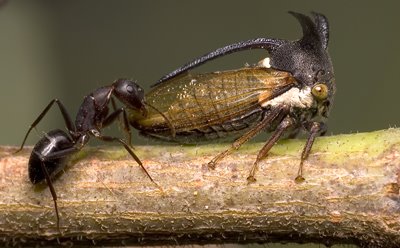
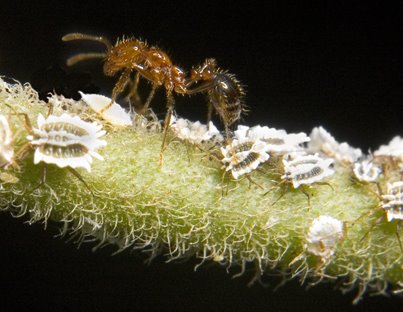
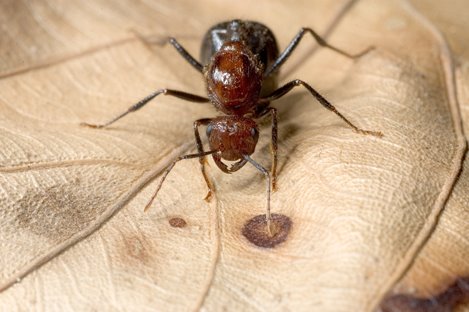
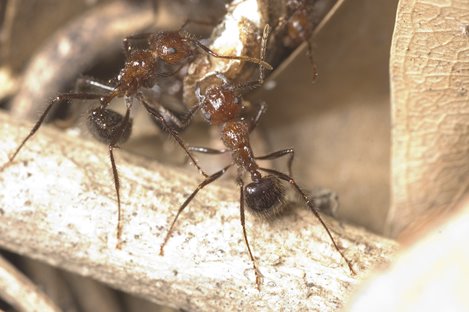
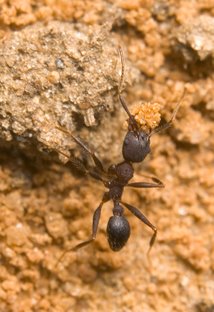
Some of these are actually different castes of the same species. Try and see if you can guess which. Don't cheat and look at the jpg names :)




 I get a lot of traffic both here and on my website because of snakes. Its not really surprising I guess, they're fascinating, have captured the imagination of many.
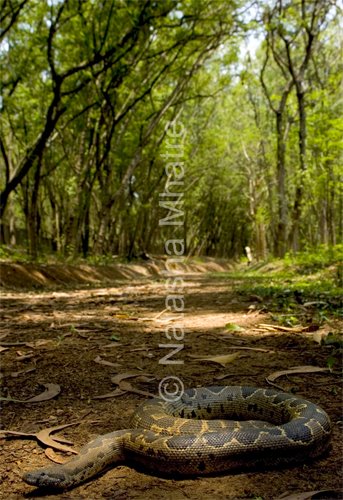 They're kind of difficult to really vary very much in terms of depiction. Sometimes theres a specific thing you're after and that works.
 Other times I just like patterns. Not everyone necessarily likes them or even gets the stupid visual puns involved. The Indian Cobra's latin name is Naja naja naja, pronounced with a j ...Na ja as two separate words in Hindi mean "don't go".... Now you get it ?
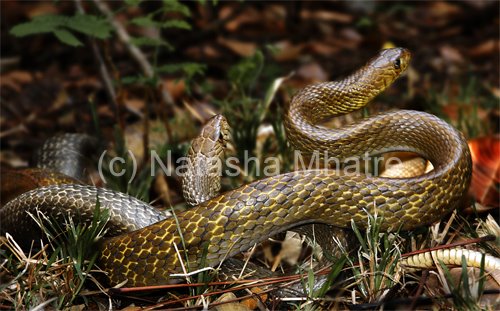
 If you're really really lucky though you get to watch some truly amazing behaviour and then to photograph it up close. Like the Rat snakes in combat dance below. Its a long ritualised display for dominance between two male snakes, which occurs in the breeding months, the months at the end of winter approaching summer. This was in the days that I didnt have all the appropriate lenses...I took it with a 28-105, you can go ahead and try and guess how close they were to me....Not that i was afraid they were much too engrossed in themselves to worry about me. And anyway, all I could worry abt was the perfect shot. Don't you just love all that muscle and movement?
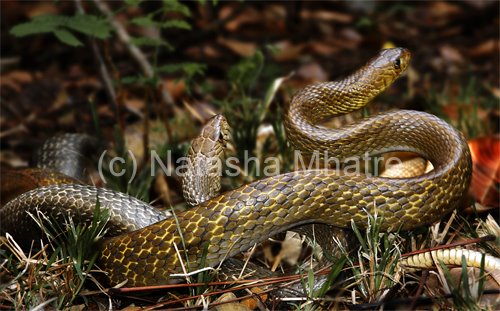 Anyway...parting shot... good night.!
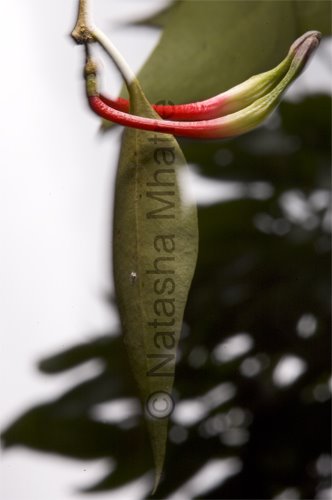 Now you wont often find nature or wildlife photographers quoting Cartier-Bresson. Or even in the least daunted by the fact that we as a community have almost no thinkers / writers /critics .
 Sometimes off course I use wide angles to do what they were intended to, to make landscapes.
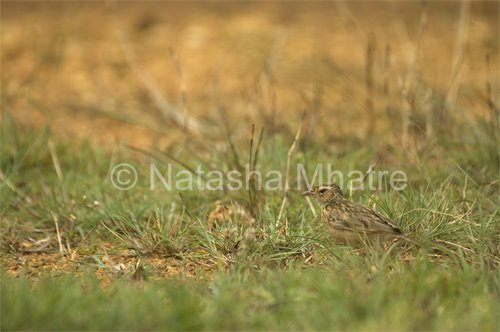
 This is the young chick of a Yellow wattled lapwing. They're usually precocious leaving the nest early, a good strategy considering the nest is on the ground making them easy prey.
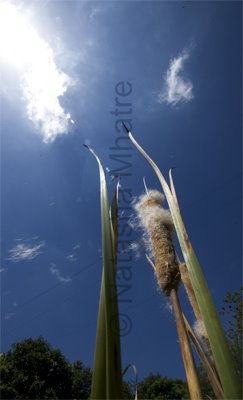 And the skies are blue...noon and night. The cattails in the swamp have done their work. And now they must cast their seed to the wind.
 Does that look like an earthworm? Look closely? An earthworm would have a large band about a third of the way down from its head. And you would see horizontal segments. You dont see them here.
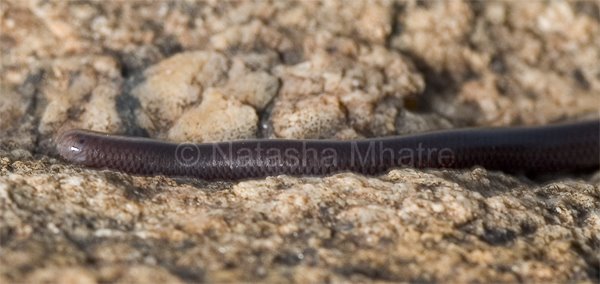 Do you also notice that while the head (which is poking out through the loop of the snakes body) is blunt, the tail is kinda pointy? This snake and I think many other species poke you with the pointy end! And yes they smell! The mouths too small to bite, I believe they use a funny eating mechanism called 'mandibular raking'. Heres some videos made by a guy who works on them.
 I've had several discussions recently, over rights, over whether a person who has not taken the images but is 'owner' of the property in which an image was taken has any control over how the images might be used.
 While the shutter speed of a single exposure is usually within a second, a particular photograph can take as much as days, weeks or even months to make. You know the Nat Geo hit rate for number of exposure vs number of published pictures is about 0.01%; a few hundred thousand pictures every year! With the advent of digital tech its probably even more. Why take me, I've shot seriously for what, two-two and a half years? I have made over 20,000 exposures.
 But today was a bad day. I'm easily disturbed but well... See someone wanted to use my pictures for nothing gratis and I said no. The person got pissed off and thought I had no loyalty and so on, and believed for various reasons that I should do this, allow the use of the images free.
 Its even shittier when you're up against people who dont know good images from bad, who wouldnt see quality and craftsmanship if it bit them in the *&%^#$. And then if you're in India and you're a young student, why you're just ripe for exploitation aren't you? Maybe this isn't true, but tell me really if any of you are reading this out there, how much unpaid work have you done lately? Work that doesnt fall within your real responsibilities that you're expected to do anyway, for NOTHING. My guess is if you're a student, a lot....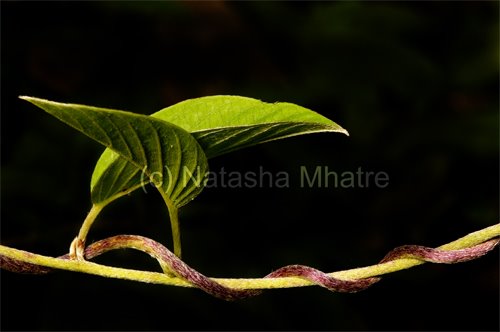
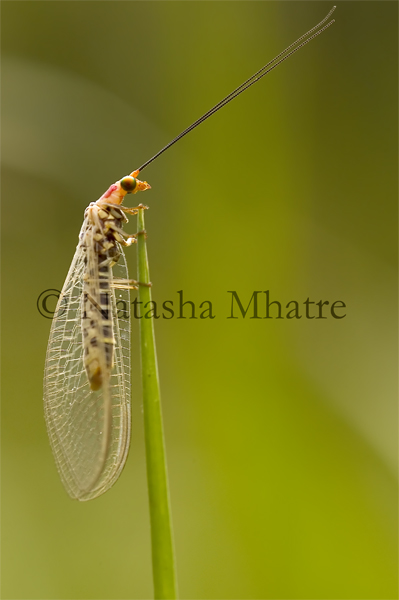
 olometabolous insects....these lacewing larvae as I had conveniently forgotten are well known for their voracious appetites for many small creatures, mosquitoes, their larvae, aphids, etc. They are often used in biological pest control programmes for this reason, lacewing eggs are actually sold to you so you can 'spread them throughout your fields or gardens' to acheive maximum pest control.
 There are rewards when you wake up early in the morning. The vines are lianas (woody creepers) brought here to ces from the western ghats, planted years ago. They mesmerise everyone who sees them the first time. Its like a breath from a rainforest somewhere hit the city of bangalore. The building at the back is my department.

 You'll notice that these images have very simple geometries, something that makes many line images intuitive and quick to 'grasp'. You see the image, finding the form, are led around the image exactly as the photographers eye saw it.


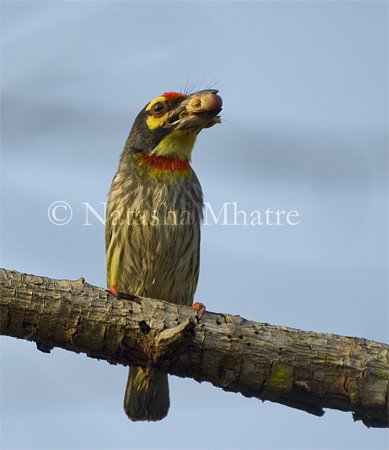
There’s a lot of ways you could be a keystone species, produce a lot of food for instance, or produce food in a season where everything else doesn’t. Maybe all the energy in the system goes through this species at some point, and if you remove it there are two separate entities with no flow between them...producers one end, eaters the other. This is called a wasp waist system; the keystone species would be the one at the waist.
Fig trees are thought of as a keystone species. And sometime you can see why. They produce a LOT of food and often different trees will bloom and fruit at asynchronously, keeping food available to a system. There are usually a huge number of animals that will come to the smells of ripening fig fruits. Some of them will be young boys and girls on their way from school, off course!

We rarely notice figs when they’re not ripe however, which is kind of funny because a lot of other creatures do and they are attracted to them. Figs have another story going, one of co-evolution. The fig is actually a structure called a syconium and its flowers are enclosed inside it. For these flowers to be pollinated, a pollinator must get inside the fig. Here’s where the fig wasps come into the story. A female wasp finds a receptive fig digs into it, she then pollinates some flowers (in some species seemingly intentionally, in others not), after or along with this she lays her eggs in some of the flowers. And then dies. Several wasps may lay in a single fig. Once the next generation of wasps is born, the females mate with the males, the males dig an exit and the females fly off looking for the next fig.
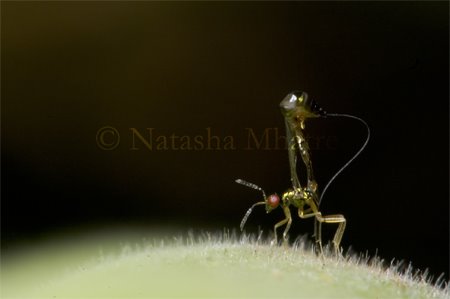 But that isnt it, there are others in the system, other wasps the gallers. These guys are in some ways the cheats of the system. They lay their eggs from the outside inducing galls for their larvae to eat. The larvae of some even eat the larvae of those that came before. Thats a galler laying eggs.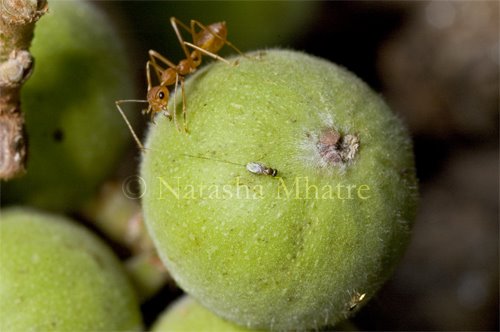
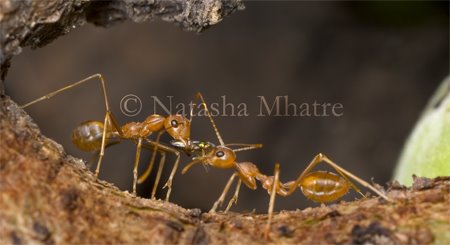
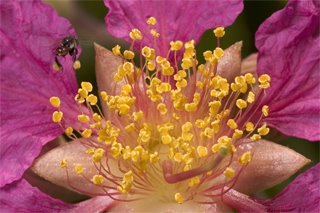 Can you imagine a world where you stumble onto a pile of your favourite food, and its BIGGER than you?
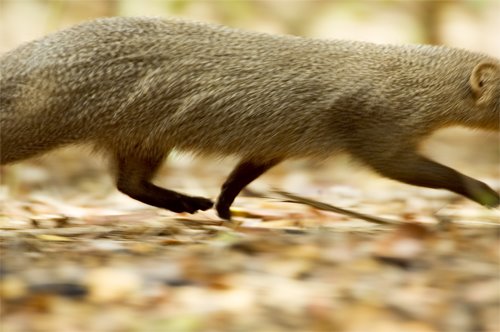 One thing about a lot of wildlife, its come and gone before you know it. A split second of something, is often all you'll ever get. If you're not fast, you wont have pictures. Think about it, I waited a few hours for this 100th of a second.
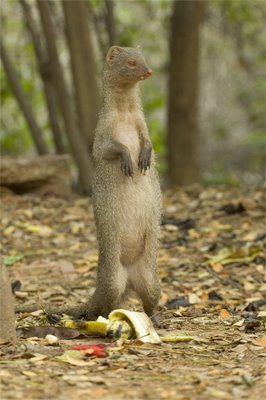 This picture for example, it suggests, tall, or actually long since the animals arent usually standing. but it adds other elements, vigiliance, and for me certainly humor in that bow-legged very awkward looking hind leg stand. theres the other elements for instance, where did this neatly peeled banana come from? and mongooses eat bananas?
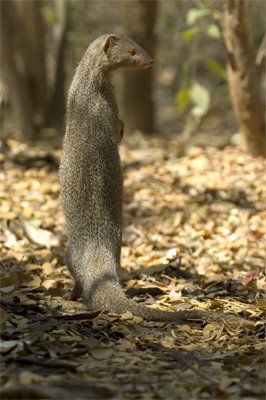 This other image of the mongoose standing taken from the back, on the other hand ,has tall / long and vigiliant. none of the other elements. its not funny, either which could be good or bad....
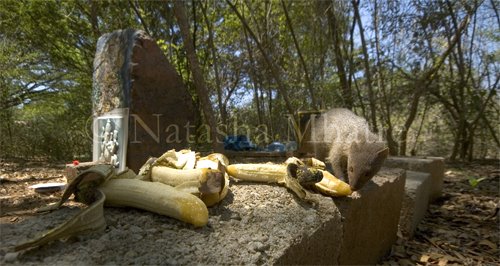 but there are complete, if not complex stories, in shots like the first one. removing elements from an image does not necessarily compact the scope of an image. but it does place greater demands on a viewer. It is therefore harder to pull off successfully.
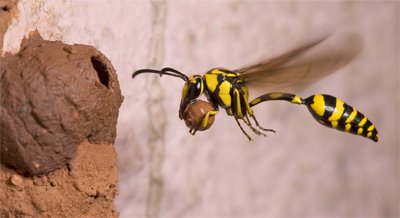 And then off course once you've seen the opportunity, about taking it. I'm sure you've seen these pots in you're home. well i realised there was a just begun one in mine and i figured that well the wasp will come back and finish it. so i waited for it. the first set of pictures were ok...not close enough, light wasnt right. but because i knew what the wasp would do i could set it up so things would be right...
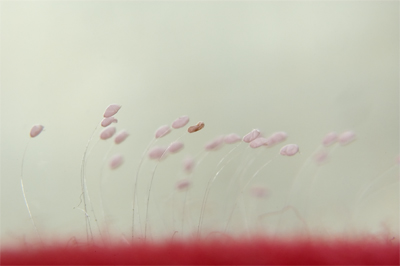 Other times its even easier than that. these are lacewing eggs, they've hatched unfortunately. next time i hope to catch them before that happens. These were on my balcony curtains, the red lights them up nicely, doesnt it?
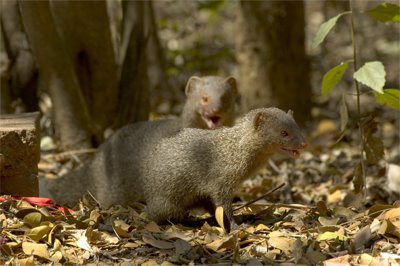 Something, a little bit ...I waited nearly 3 hours for these pictures. I've waited 2 years to wait those 3 hrs!
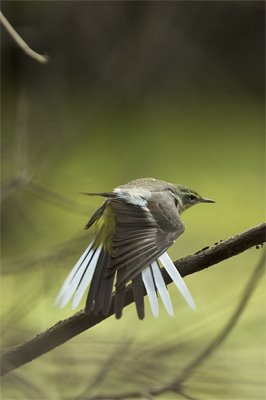 A gray wagtail down at the water level in the pond in Jubliee. It was a long wait before this fella got accustomed to me. The white breasted water hen at the other end didnt want any truck with me, ever. And although she got chased around for invading another wb waterhens turf several times she didnt come any closer to me.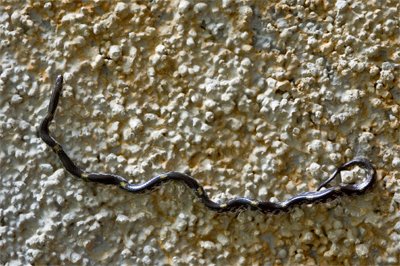
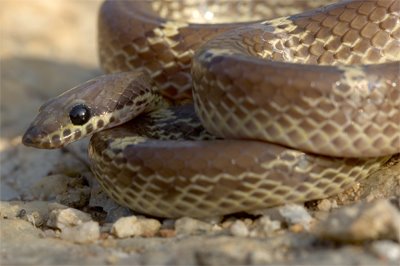 krait, these are non-poisonous. And great wall climbers. We caught him/her from PD block and took some photographs and let him go....heres another one.

